RealityWay .99:Ethical Marketing: Ending the Age of Deception
By RealityWay
In today’s consumer world, deception has become a language. From the prices we see to the words we read and the “choices” we are given, manipulation has been quietly woven into the fabric of modern business. Companies defend it as “strategy.” Marketers call it “psychology.” But beneath the polished slogans lies a simple truth — marketing has drifted away from honesty.
RealityWay was founded to challenge that drift. We believe that a new era of marketing must begin — one that puts truth above persuasion, clarity above conversion, and humanity above manipulation.
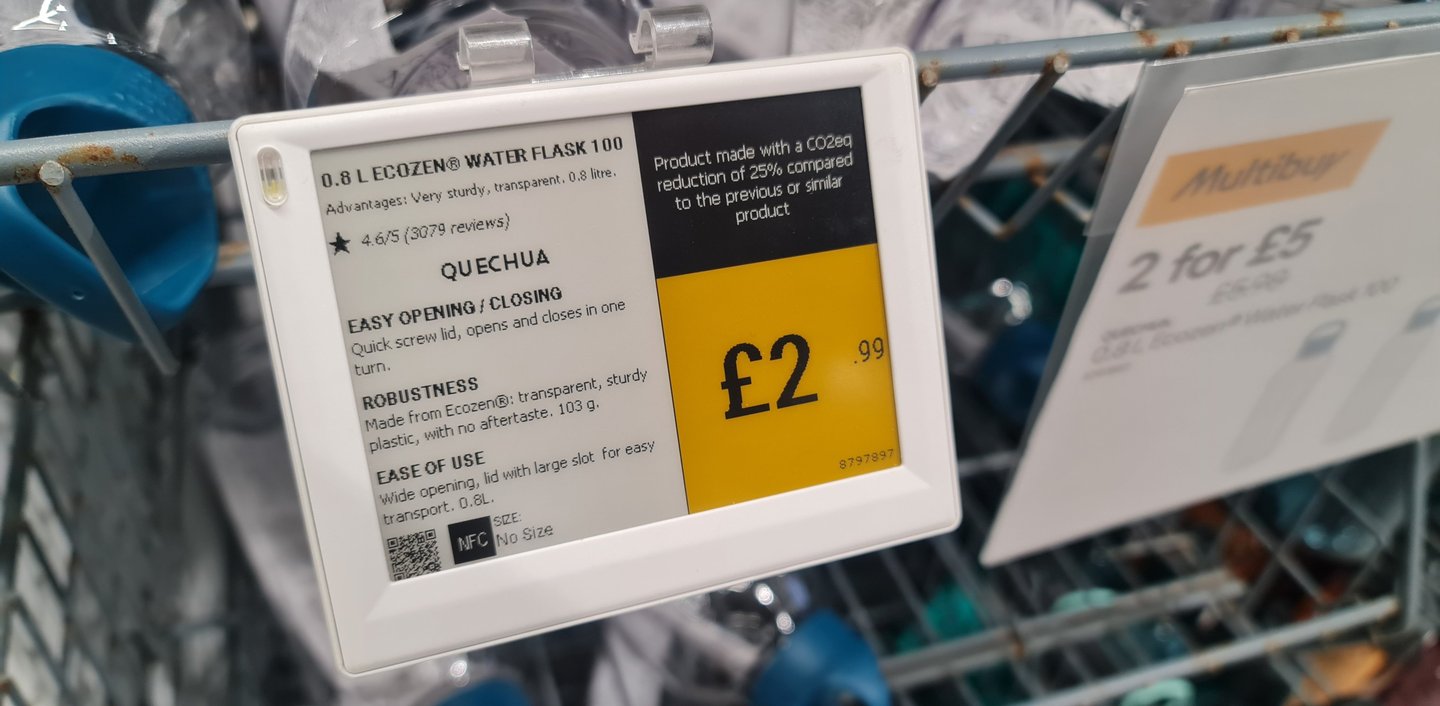
1. The Subtle Lie: Why £9.99 Is Not Just a Number
Let’s begin with the most common and accepted form of deception — charm pricing.
£9.99 instead of £10. £4.95 instead of £5. £999 instead of £1000.
Everywhere you look, the last digit is designed to trick your perception. The technique relies on a well-documented psychological effect known as the left-digit bias. Our brains read numbers from left to right and subconsciously anchor the price on the first digit. That’s why £9.99 feels like “nine-something,” not “ten.”
It works — countless studies have confirmed that charm pricing increases sales. But effectiveness does not make it ethical.
The deception lies in intent. The goal is not to provide value or clarity; it is to create an illusion of affordability. It is, at its core, a psychological manipulation. And the scale of its acceptance is staggering — billions of products across every industry use it daily, conditioning entire generations to accept half-truths as normal business.
Imagine two companies selling the same product:
One lists it honestly at £10.
The other prices it at £9.99.
Both earn the same revenue, but the second company builds its success on illusion. It wins not through better value, but through psychological trickery.
RealityWay believes that businesses can be profitable without being manipulative. An honest price — rounded, simple, and visible — respects the consumer’s intelligence and builds a foundation of trust that no marketing trick can replicate.
2. How Psychological Pricing Became “Normal”
Charm pricing didn’t appear overnight. It emerged in the late 19th century when cash registers were introduced. Shop owners priced goods at 99¢ instead of $1 so that cashiers would have to open the till and make change — ensuring the transaction was recorded.
What started as a control measure soon became a psychological weapon. Over time, marketers realized its influence on perception and standardized it across industries. Now, it’s so universal that honest pricing seems unusual — a sad reflection of how deep the deception has sunk.
But imagine walking into a store where every item was rounded — £10, £20, £50 — and all information was clear, with no fine print. That store would immediately feel trustworthy. You would not need to question the motive behind every label. That is the world RealityWay aims to create.
3. Neuromarketing: The Science of Manipulation
While charm pricing manipulates your logic, neuromarketing goes deeper — it targets your subconscious.
Neuromarketing uses neuroscience and brain-imaging technology to observe how people’s brains respond to marketing stimuli: sounds, colours, words, packaging, even smells. The goal is not to inform customers but to influence them without their awareness.
For example:
Fast-food companies use red and yellow because those colours trigger hunger and urgency.
Streaming services autoplay videos to exploit dopamine release, keeping you engaged longer.
Social media platforms use variable reward systems (like slot machines) to make scrolling addictive.
Advertisers play low-frequency sound patterns to evoke trust or excitement.
Each of these methods is rooted in science — and that’s precisely the problem. Neuromarketing treats the human brain as a marketplace to invade, not a mind to respect.
Ethical marketing should communicate value, not manipulate impulses. A company’s goal should be to serve, not control. Yet neuromarketing reverses this order — it studies how to bypass your rational judgment and sell directly to your emotional circuitry.
4. Why Neuromarketing Is Effective — But Unethical
Neuromarketing is undeniably effective because it doesn’t need your permission. It plays beneath the surface of awareness, altering your decisions before you even realise it.
For instance:
A supermarket can pipe the smell of fresh bread to increase sales by 30%.
A car commercial can overlay engine sounds with low-frequency rumbles to evoke primal excitement.
A product placed at eye level or with a certain hue of blue can alter purchase rates dramatically.
The ethical issue is not that these techniques exist — it’s how and why they are used. If their purpose is to manipulate behaviour without informed consent, they violate the consumer’s autonomy. That crosses the line between persuasion and exploitation.
RealityWay takes a clear stance:
“Any marketing that influences without awareness is a form of mental trespass.”
We believe that ethical marketing should work with the mind, not against it. It should create desire through clarity and quality — not through hidden psychological levers.
5. Other Forms of Marketing by Deception
Beyond charm pricing and neuromarketing, deception takes many forms. Some are obvious; others are subtle but equally corrosive.
Here are a few examples that RealityWay aims to challenge:
a. False Scarcity
Messages like “Only 2 left in stock!” or “Offer ends in 10 minutes!” create artificial urgency. In most cases, the scarcity is fake. The intent is to trigger anxiety — the fear of missing out — to rush consumers into buying without thinking.
b. Hidden Fees
A product that appears to cost £29.99 suddenly becomes £39.80 at checkout due to shipping, service, or “processing” charges. This tactic deliberately distorts true cost and punishes honesty.
c. Greenwashing
Brands claim to be “eco-friendly” or “sustainable” while continuing harmful practices. It’s an emotional manipulation that capitalises on people’s ethical values for profit.
d. Influencer Deception
Paid promotions often appear as genuine recommendations. When influencers hide sponsorships, they distort trust and exploit social influence.
e. Fear and Insecurity Advertising
Beauty brands tell people they’re “not enough” without a certain product. Security companies amplify fear of crime. Health brands exaggerate danger. It’s emotional extortion disguised as marketing.
These practices are profitable because they work — but they corrode the moral fabric of commerce. When trust dies, the entire marketplace suffers.
6. The Moral and Financial Case for Honest Marketing
Many companies assume that honesty will hurt their profits. RealityWay’s philosophy proves the opposite: honesty is good business.
When companies communicate truthfully:
Customer loyalty increases.
Refunds and complaints decrease.
Employee morale improves.
Reputation becomes self-sustaining.
Consider Patagonia, the clothing brand that famously told customers “Don’t buy this jacket” in an anti-consumerism campaign. Their sales rose by 30%. Why? Because honesty is magnetic.
When people sense integrity, they reward it. Trust is the one asset no competitor can copy.
RealityWay’s long-term vision is to help businesses discover that ethical marketing is not a burden — it’s a business model that pays back in trust.
7. The RealityWay Honest Company Badge
To bring this transformation into reality, RealityWay is introducing the Honest Company Badge — a new standard of integrity for modern businesses.
How It Works:
Comprehensive Review
RealityWay examines a company’s marketing methods — advertising, pricing, messaging, and presentation.Transparency Audit
We evaluate whether customers are clearly informed about costs, terms, and product claims without hidden manipulation.Ethical Practice Assessment
We check for signs of charm pricing, false scarcity, greenwashing, or neuromarketing-based influence.Guidance and Support
Companies receive actionable feedback and training on building ethical marketing systems that still drive sales and engagement.Certification and Recognition
Those meeting our standards earn the RealityWay Honest Company Badge, a visible mark of integrity that can be displayed on their products, websites, and stores.
The Incentive
This badge creates a new kind of prestige — not the prestige of profit, but of principled success.
It tells the world:
“We don’t manipulate. We communicate honestly.”
Customers will increasingly seek these companies out — not only because they’re ethical, but because they feel safe engaging with them.
8. Building a New Marketplace of Trust
RealityWay’s mission is to create a new social and economic standard where businesses compete not just in quality and innovation, but in honesty.
Imagine a future where:
Prices are straightforward and rounded.
Ads are truthful and transparent.
Neuroscience is used to understand needs, not manipulate minds.
Companies win trust by integrity, not illusion.
That is not utopia — it is progress. And it starts with those brave enough to go against the grain of accepted deceit.
RealityWay calls on businesses, creators, consumers, and leaders to join this movement — to reject manipulative marketing and embrace honesty as the new standard of success.
9. The Future Is Ethical
The age of manipulation is ending. Consumers are becoming more conscious, data-literate, and skeptical than ever. The companies that survive the coming decade will be those that people trust — not those that people merely buy from.
RealityWay stands at the forefront of that change. We are not just criticising the system — we are rebuilding it.
Together, we can create a world where marketing doesn’t trick, but tells the truth.
A world where companies earn loyalty through honesty.
A world where business and ethics walk side by side.
Because the truth should never need a price tag.
Sina Elli - Realityway.org

Manchester, UK.
info @ realityway.org
+447778546603
REALITY WAY CIC
Company number: 16833177 England and Wales.